
Cities of Culture
By Sasha Anesa

Cities of Culture
By Sasha Anesa
Slovenia’s historic cities each have special experiences to offer.

Slovenia’s historic cities reveal their cultural depth not through grand scale, but through intimacy. Within compact, walkable centers, centuries of history unfold in town squares, castles, museums, and living traditions. Each city reflects a distinct identity shaped by geography, community, and heritage, making Slovenia an exceptional destination for culturally curious travelers who value meaningful experiences over monumental distances.
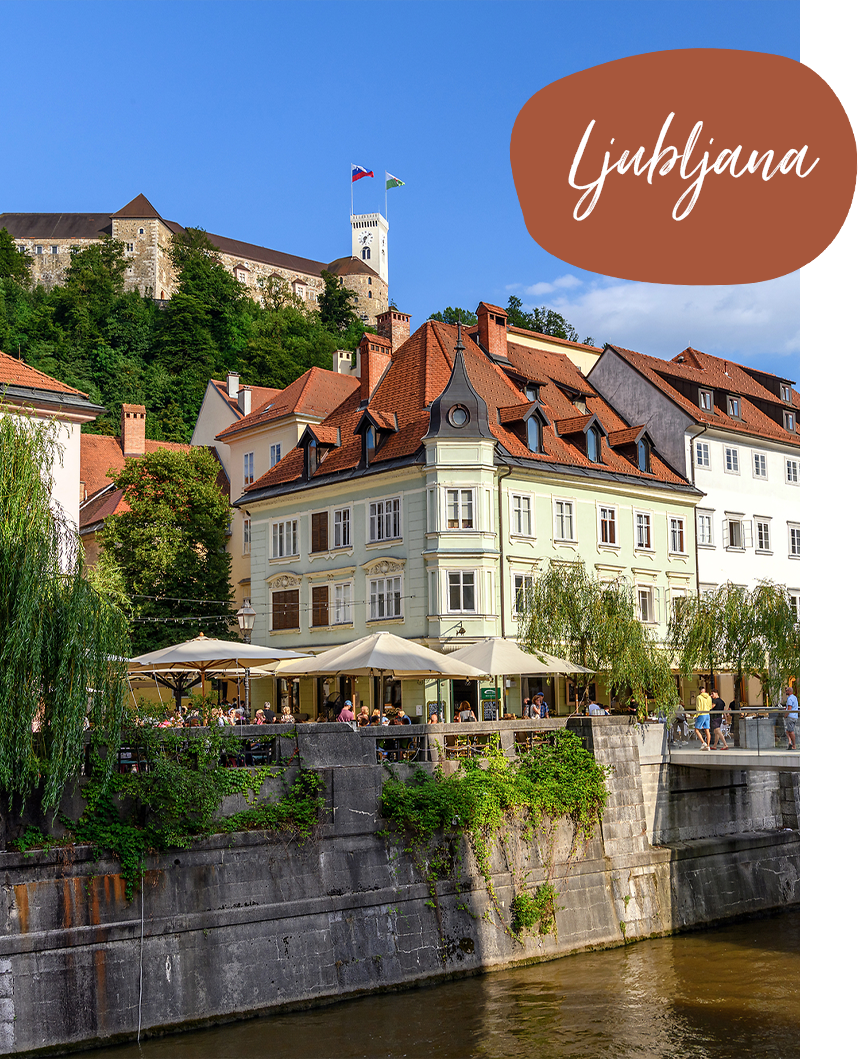
At the heart of the country lies Ljubljana, the green capital of a green country.
Small yet vibrant, Ljubljana blends historical layers with contemporary creativity. The city is crowned by Ljubljana Castle, which has watched over the capital for centuries and today offers panoramic views alongside exhibitions and cultural events. Much of the city’s character is defined by architect Jože Plečnik, whose human centered vision shaped bridges, markets, libraries, and public spaces that continue to define daily life. Beyond its architectural legacy, Ljubljana is recognized as one of the greenest cities in Europe, with car free zones, riverside promenades, and an enduring commitment to sustainability that enhances its cultural appeal.
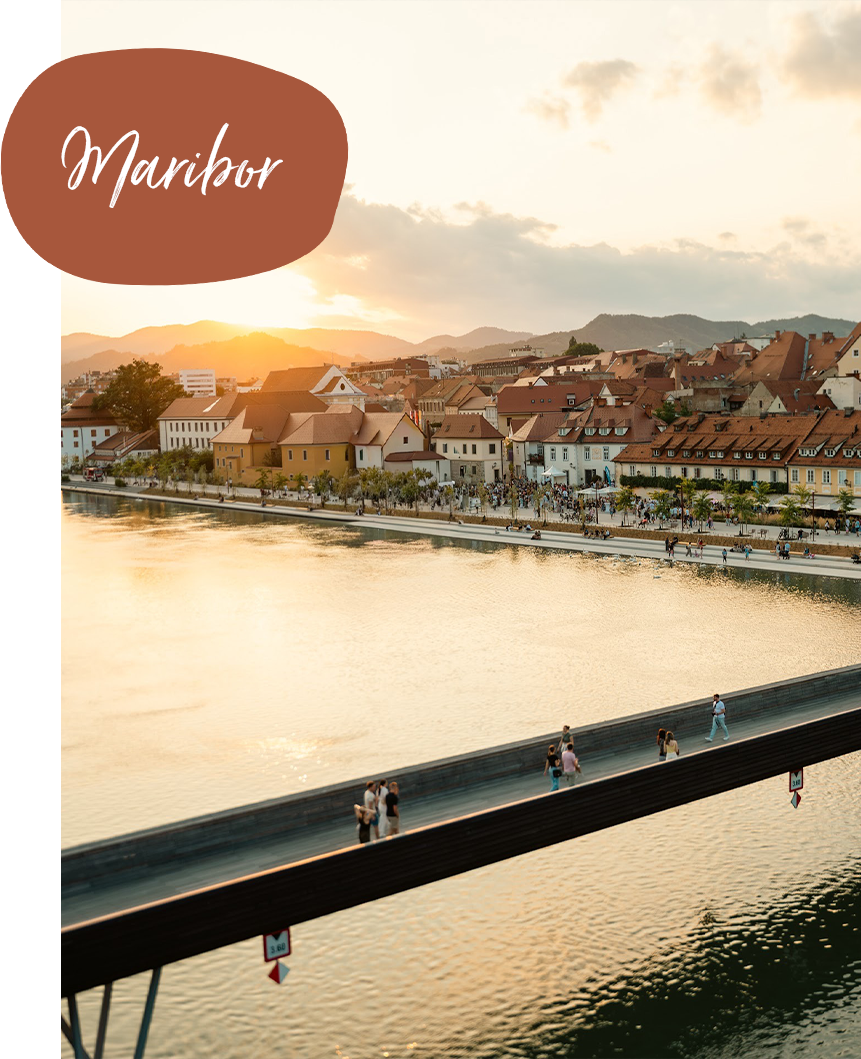
Traveling northeast, Maribor introduces a different story rooted in viticulture and regional tradition.
Set along the Drava River and framed by the Pohorje hills, Maribor is home to the world’s oldest vine, still producing grapes after more than 400 years. This living monument symbolizes the city’s deep connection to wine culture, celebrated through festivals, historic wine cellars, and a relaxed rhythm of life. Maribor’s cultural scene blends heritage with modern creativity, offering galleries, music events, and a welcoming atmosphere shaped by its wine growing legacy.
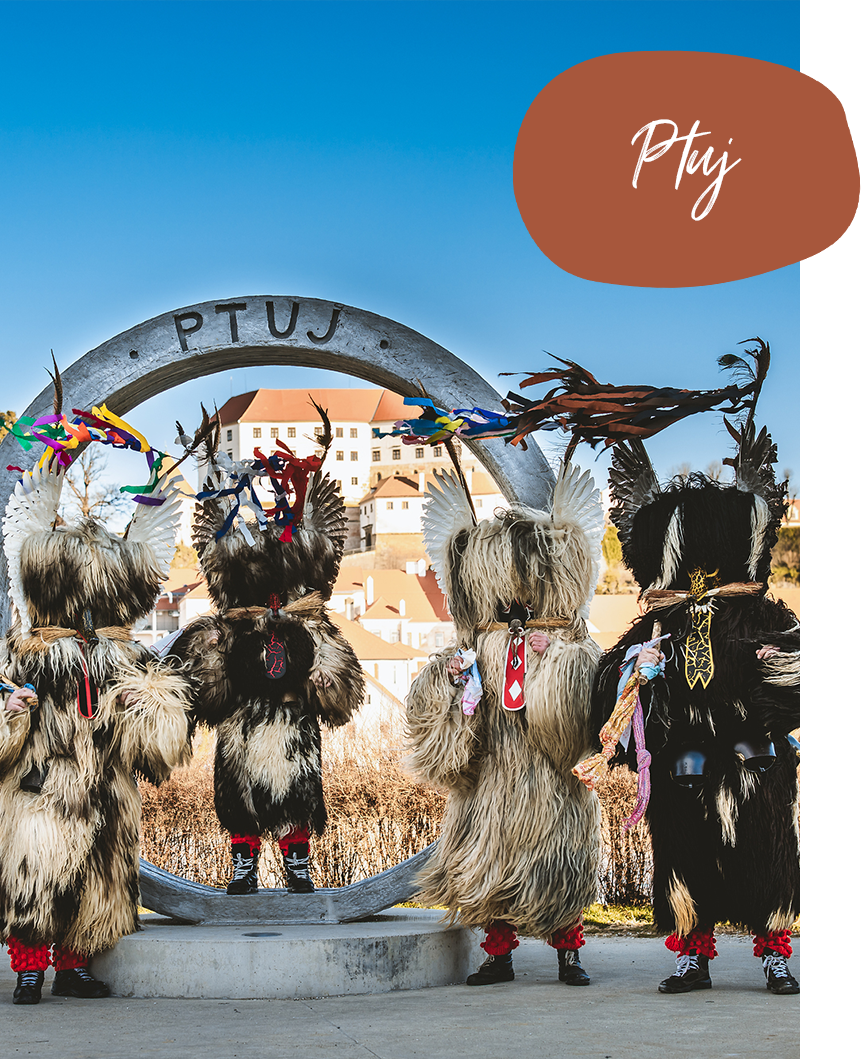
Further east stands Ptuj, the oldest town in Slovenia and one of its most culturally rich destinations.
With roots stretching back to Roman times and beyond, Ptuj offers a remarkable concentration of history. Its hilltop castle, medieval streets, and long standing wine tradition create a setting where the past feels vividly present. Ptuj is also known for the Kurenti, traditional carnival figures whose door to door rounds are recognized by UNESCO as intangible cultural heritage. Lively festivals throughout the year bring this heritage to life, contributing to Ptuj’s recent recognition as the Best Cultural Heritage Town in Europe for 2026 by European Best Destinations.
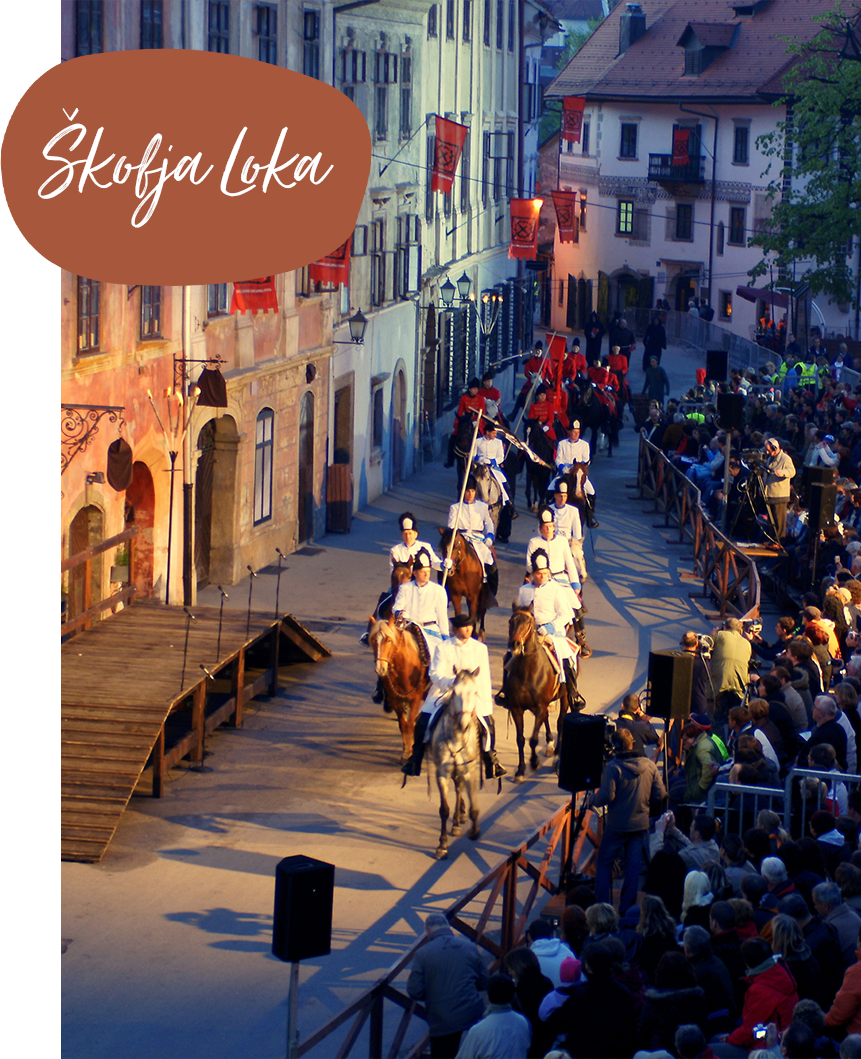
In Škofja Loka, cultural discovery takes the form of living theater.
This beautifully preserved medieval town is the birthplace of the Škofja Loka Passion Play, written in 1721 by Father Romuald Marušič and considered the oldest dramatic text in the Slovenian language. Protected by UNESCO, the play is performed every six years during Easter, transforming the town’s streets into a stage for a powerful communal experience. With more than 1,000 volunteers participating, the Passion Play reflects a deep bond between tradition, community, and place. The next production, scheduled for spring 2026, promises an extraordinary cultural event.
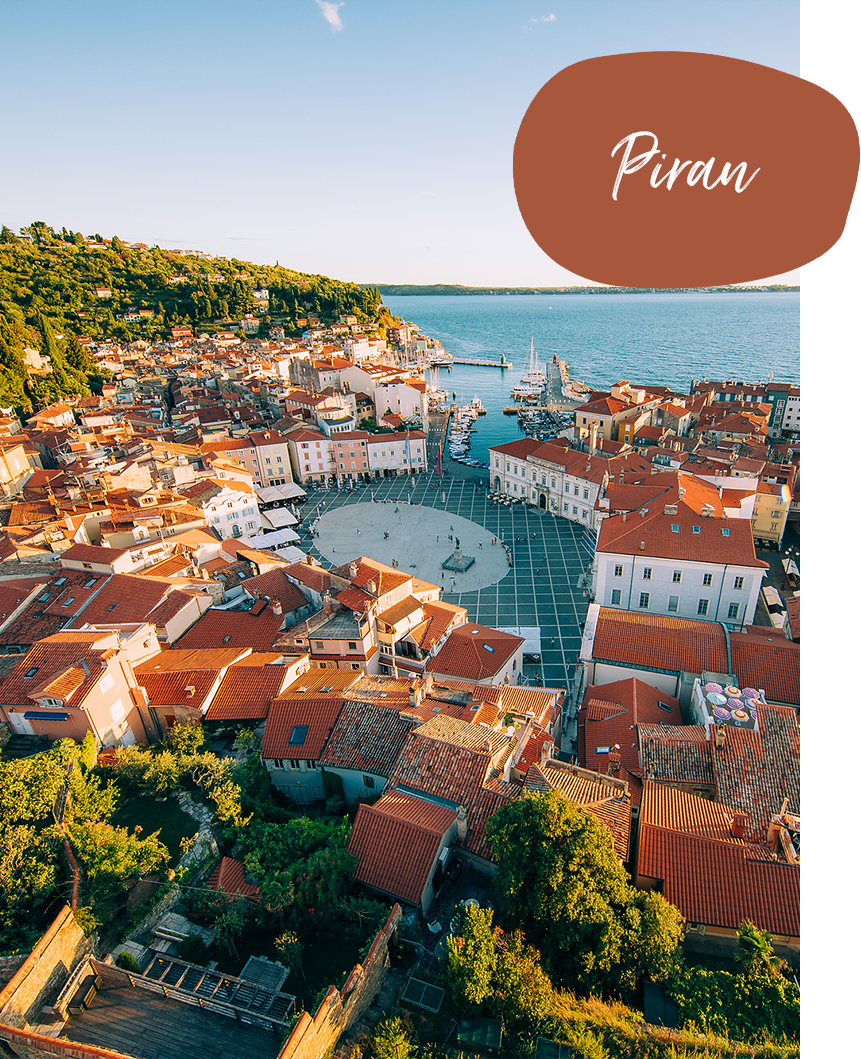
On the Adriatic coast, Piran offers a Mediterranean expression of Slovenian culture.
This picturesque medieval town is defined by narrow streets, Venetian architecture, and a deep connection to the sea. Tartini Square forms the social heart of Piran, while nearby salt pans reveal centuries old traditions that shaped local life. The blend of maritime heritage, art, and cuisine gives Piran a relaxed yet refined cultural character.
Together, Slovenia’s cities of culture form a seamless journey where distances are short, landscapes shift effortlessly, and discovery is measured in steps rather than miles. Each town offers its own authentic story, inviting travelers to slow down, engage deeply, and experience culture at a truly human scale.
Your Content Goes Here
Image credits: Slovenian Tourist Board / Nikola Jurisic, Andrej Tarfila, Drazen Stader – Produkcija Studio, Stanko Kozel, Jure Nastran, Jacob Riglin – Beautiful Destinations

Want to keep reading?